Abstract: Precision liquid level sensing in high-pressure, corrosive, or high-temperature industrial environments demands components that maintain dimensional stability and consistent buoyancy. This article examines the engineering principles, material advantages, and system integration aspects of a titanium-based float ball designed for magnetic flap level gauges. The discussion covers pressure stability, corrosion resistance, and comparative performance against conventional materials, offering technical insights for engineers and procurement specialists.
1. The Core Engineering Challenge in High-Pressure Level Measurement
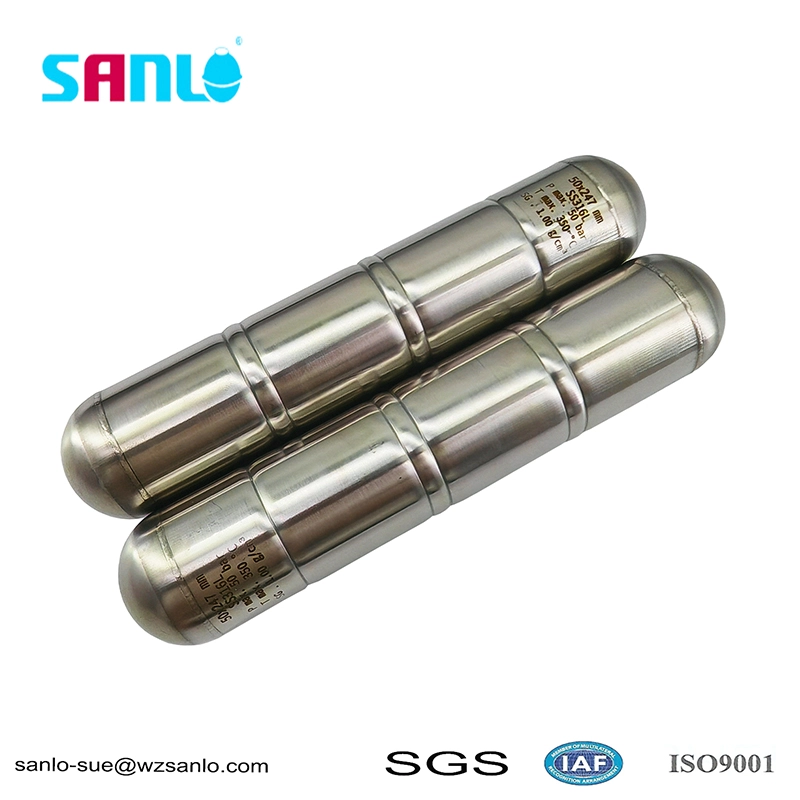
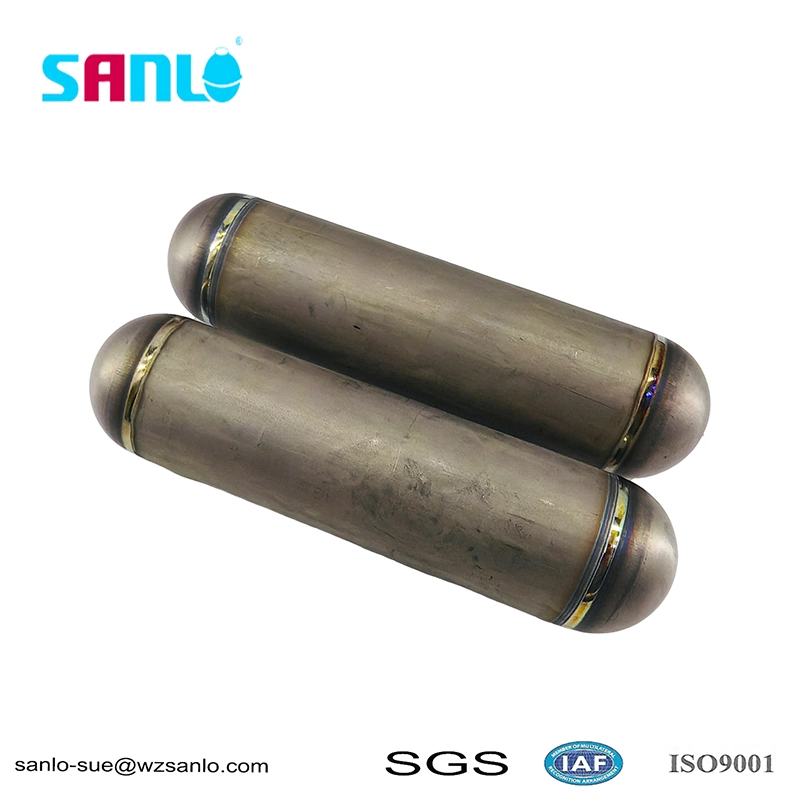
Accurate liquid level measurement in industrial environments presents a formidable engineering challenge that intensifies as operating pressures rise. Traditional float-based level sensors often struggle to maintain reliable performance when subjected to pressures exceeding 10 MPa, where material deformation, buoyancy shifts, and mechanical wear can compromise measurement integrity. The 50.8*200 Ti Float Ball with Higher Pressure directly addresses these challenges through a combination of advanced material selection and precision manufacturing.
When a float ball operates in a pressurized vessel, several physical phenomena must be carefully managed. The hydrostatic pressure exerted on the float's surface increases proportionally with depth and system pressure, potentially causing dimensional changes that alter the float's displacement characteristics. Additionally, the density of the process fluid may vary with temperature and pressure, affecting the buoyant force that the float experiences. These factors collectively determine the accuracy and repeatability of level measurements.
Engineers designing level gauge systems must therefore consider not only the nominal operating pressure but also the full range of pressure fluctuations, temperature variations, and fluid property changes that occur during normal operation. The float's ability to maintain its geometric profile under these varying conditions is paramount for consistent measurement output.
Pressure Stability
Maintains dimensional accuracy under sustained high-pressure operation, preventing deformation that could skew level readings.
Temperature Tolerance
Exhibits minimal thermal expansion, preserving buoyancy characteristics across broad temperature ranges common in process industries.
Cyclic Durability
Resists fatigue from repeated pressure cycles, extending service life and reducing maintenance frequency in demanding applications.
Measurement Consistency
Delivers repeatable displacement responses, enabling precise level indication that operators can trust for critical process control.
2. Titanium as a Strategic Material for Float Ball Construction
The selection of titanium as the primary material for the 50.8*200 Ti Float Ball with Higher Pressure is rooted in the metal's exceptional combination of mechanical and chemical properties. Titanium offers a strength-to-weight ratio that surpasses most engineering alloys, making it an ideal candidate for components that must remain lightweight while withstanding substantial external pressures.
One of the most significant advantages of titanium in this application is its outstanding corrosion resistance. Unlike stainless steel, which can suffer from pitting and crevice corrosion in chloride-rich environments, titanium forms a stable, self-healing oxide layer that protects the underlying metal from aggressive chemical attack. This characteristic is particularly valuable in applications involving seawater, brine, or acidic process streams where other materials would rapidly degrade.
Furthermore, titanium's thermal expansion coefficient is notably lower than that of many alternative materials. This property ensures that the float's dimensions remain stable across temperature variations, preventing changes in displacement volume that could introduce measurement errors. The material's non-magnetic nature also eliminates interference with magnetic coupling systems used in many level gauge designs, ensuring reliable signal transmission from the float to the external indicator.
- Superior corrosion resistance in aggressive chemical environments, including chlorides and acids
- High strength-to-weight ratio enabling robust construction without excessive mass
- Low thermal expansion coefficient ensuring dimensional stability across temperature ranges
- Non-magnetic properties preventing interference with magnetic level gauge systems
- Excellent fatigue resistance supporting long-term cyclic operation without degradation
3. Precision Dimensions and Buoyancy Characteristics
The numerical designation of the 50.8*200 Ti Float Ball with Higher Pressure conveys precise dimensional information that directly influences its performance characteristics. The 50.8 mm diameter and 200 mm length represent carefully calculated proportions that optimize the float's displacement volume while maintaining compatibility with standard level gauge chamber dimensions.
Buoyancy, the upward force that enables the float to track liquid level changes, is determined by the volume of fluid displaced by the submerged portion of the float. For a cylindrical float with hemispherical or elliptical ends, the total displacement volume is a function of the float's overall dimensions and the density of the process fluid. The 50.8*200 configuration provides a displacement volume that generates sufficient buoyant force to overcome the float's weight while remaining sensitive to relatively small level changes.
In high-pressure applications, the density of the process fluid typically increases with pressure, which in turn increases the buoyant force acting on the float. This phenomenon must be accounted for during system calibration to ensure accurate level indication across the full pressure range. The manufacturing process ensures tight dimensional tolerances, so each unit provides consistent buoyancy characteristics that enable predictable system behavior.
| Parameter | Specification | Performance Impact |
|---|---|---|
| Diameter | 50.8 mm (2.0 inches) | Compatible with standard gauge chamber sizes |
| Length | 200 mm (7.87 inches) | Provides optimal displacement volume |
| Material | Titanium (Grade 2 / Grade 5) | Corrosion resistance and strength |
| Wall Thickness | Engineered for pressure rating | Structural integrity under high pressure |
| Surface Finish | Precision machined | Consistent buoyancy and reduced friction |
| Operating Pressure | Up to 20 MPa (customizable) | Suitable for high-pressure processes |
4. Operational Advantages in Magnetic Flap Level Gauge Systems
Magnetic flap level gauges represent one of the most widely used level measurement technologies in industrial applications, offering reliable, visual indication of liquid levels without requiring electrical power at the measurement point. The 50.8*200 Ti Float Ball with Higher Pressure serves as the sensing element within these systems, converting liquid level changes into mechanical motion that is transmitted through a magnetic coupling to an external indicator.
The float's magnetic system typically consists of permanent magnets embedded within the float body or attached to a magnetic sleeve that moves with the float. As the liquid level rises or falls, the float moves vertically within the gauge chamber, and the magnetic field it generates actuates external magnetic flaps or a continuous indicator. The precision of this system depends critically on the float's ability to track level changes accurately and without sticking or binding.
Several operational advantages distinguish the titanium float in this application. First, the material's smooth surface finish and corrosion resistance prevent the buildup of deposits or scale that could impede float movement. Second, the float's consistent buoyancy ensures that it responds to level changes with minimal hysteresis, providing accurate tracking in both rising and falling level conditions. Third, the float's mechanical robustness enables it to withstand the hydraulic forces that occur during rapid level changes or process upsets.
- Reliable magnetic coupling transmission for accurate external indication
- Minimal friction and wear for extended service life
- Consistent response to level changes across the full operating range
- Compatibility with various magnetic flap indicator designs
- Reduced maintenance requirements compared to alternative float materials
5. Comparative Analysis: Titanium vs. Stainless Steel and Polymer Floats
When selecting a float ball for high-pressure level measurement applications, engineers typically evaluate several material options, each with distinct advantages and limitations. The titanium float ball occupies a specific performance niche that makes it the preferred choice for many demanding applications, particularly those involving corrosive media or extreme operating conditions.
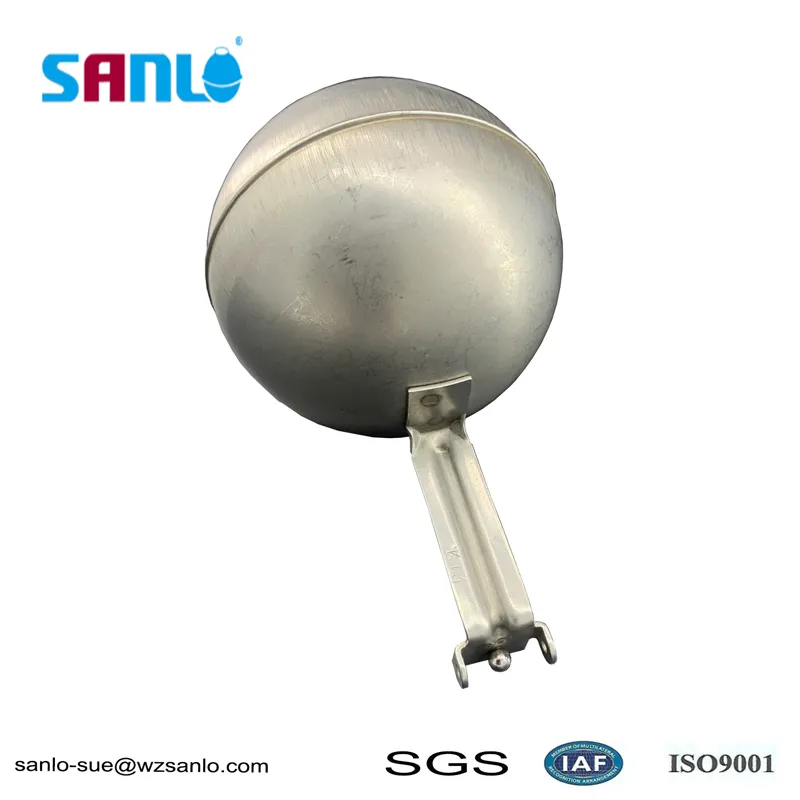
Stainless steel floats, while widely used and cost-effective, face limitations in highly corrosive environments. Chloride-induced stress corrosion cracking and pitting can compromise the integrity of stainless steel floats, particularly at elevated temperatures. Additionally, the higher density of stainless steel requires larger float volumes to achieve the same buoyant force, potentially limiting compatibility with space-constrained gauge chambers.
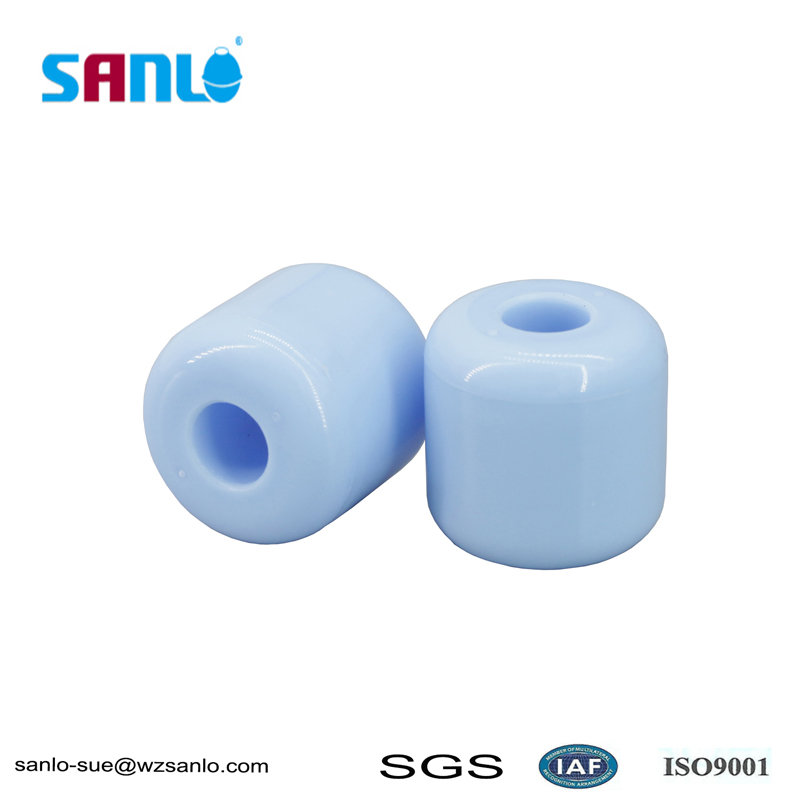
Polymer floats, such as those made from PTFE or PEEK, offer excellent chemical resistance and lightweight construction. However, their mechanical strength and dimensional stability at elevated temperatures and pressures are generally inferior to metallic alternatives. Polymer floats may also absorb process fluids over time, altering their buoyancy characteristics and compromising measurement accuracy.
Titanium floats combine the corrosion resistance of premium polymers with the mechanical strength and dimensional stability of metals. The material's low density enables compact float designs that fit within standard gauge chambers while providing sufficient buoyancy for reliable level tracking. For applications involving seawater, brine, chlorine, or acidic process streams, titanium offers a level of protection that stainless steel cannot match.
Titanium
Exceptional corrosion resistance, high strength-to-weight ratio, non-magnetic, stable dimensions, ideal for aggressive media and high pressure.
Stainless Steel
Cost-effective, good general corrosion resistance, higher density requires larger volume, susceptible to chloride attack.
Polymer (PTFE/PEEK)
Excellent chemical resistance, lightweight, lower mechanical strength, potential for fluid absorption and dimensional changes.
6. Frequently Asked Questions About High-Pressure Float Balls
The standard design is rated for operating pressures up to 20 MPa (approximately 2900 psi). Custom configurations can accommodate higher pressures based on specific application requirements, with adjustments to wall thickness and material grade.
Titanium exhibits a low coefficient of thermal expansion, meaning that dimensional changes due to temperature variations are minimal. This stability ensures that buoyancy characteristics remain consistent across the operating temperature range, typically from -40°C to 200°C for standard designs. Elevated temperatures may require consideration of material grade selection to maintain mechanical properties.
Yes. The titanium float is specifically designed for use in magnetic flap level gauge systems. The non-magnetic properties of titanium eliminate interference with the magnetic coupling, while the float can be equipped with integrated magnets or a magnetic sleeve to actuate the external indicator.
Due to titanium's exceptional corrosion resistance and mechanical durability, maintenance requirements are minimal. Periodic inspection for surface deposits or mechanical damage is recommended, particularly in applications involving process fluids with high solids content. The float's smooth surface typically resists fouling, reducing the need for cleaning compared to other materials.
While stainless steel floats are generally more economical, the titanium float offers superior corrosion resistance, particularly in chloride and acidic environments. The lower density of titanium also enables more compact float designs, and the material's non-magnetic properties ensure optimal compatibility with magnetic level gauge systems.
Applications span multiple industries including chemical processing, oil and gas production, offshore platforms, power generation, water treatment, and pharmaceutical manufacturing. Any process requiring accurate liquid level measurement in corrosive or high-pressure environments can benefit from the performance characteristics of this titanium float.
For expert guidance on selecting the right float ball for your specific application requirements, Sanlo offers comprehensive technical support and engineering consultation.
Contact Us >