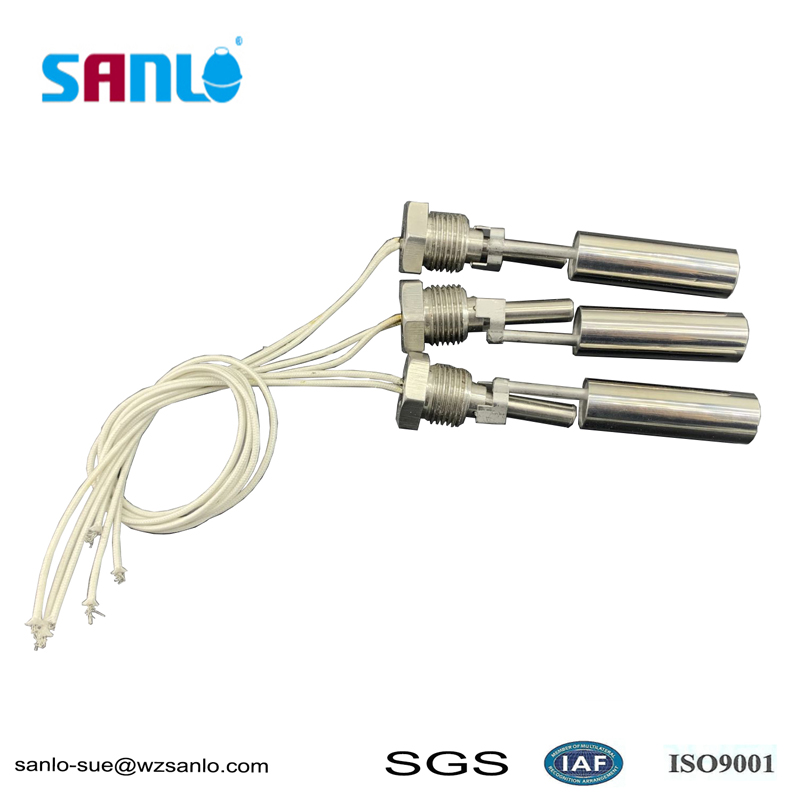
Article Summary: In this blog post, we delve into the role of steel float balls in check valves, exploring their benefits, applications, and why they are an essential component for various industries. Whether you're in the manufacturing, water treatment, or oil and gas industry, understanding the advantages of steel float balls is crucial for efficient valve performance and system longevity.
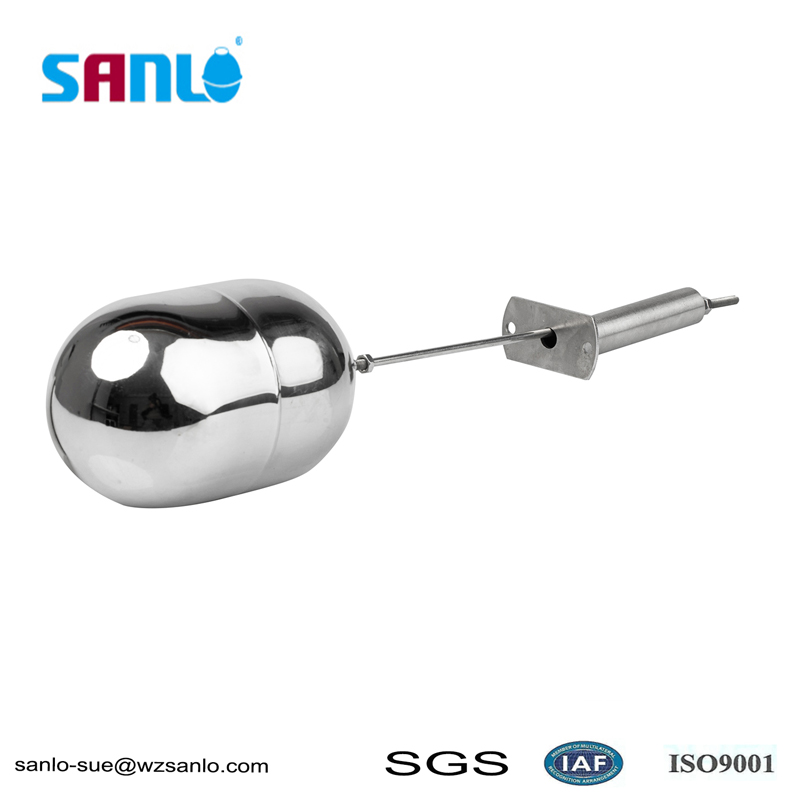
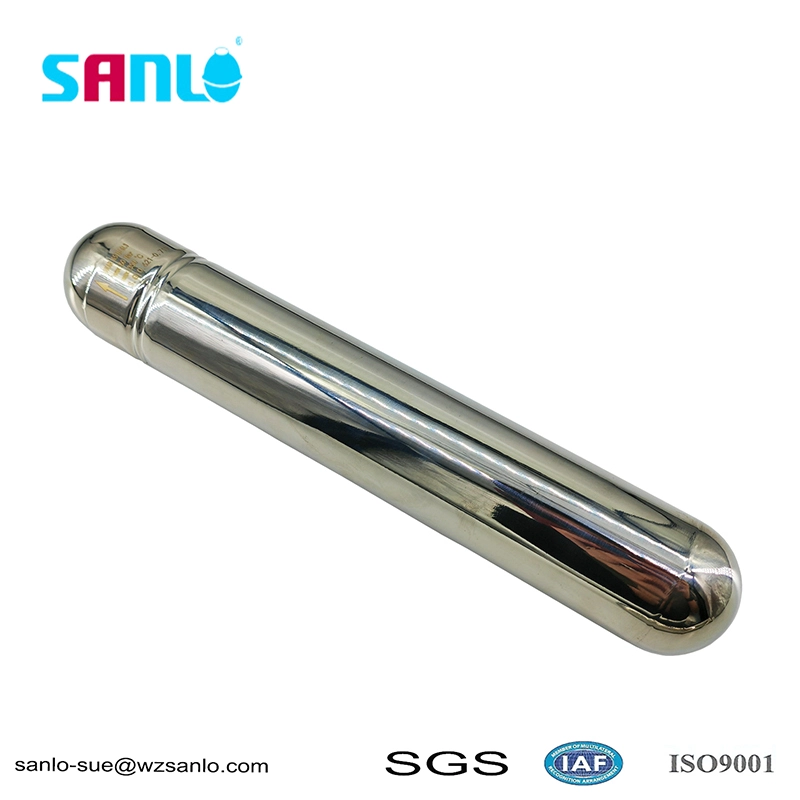
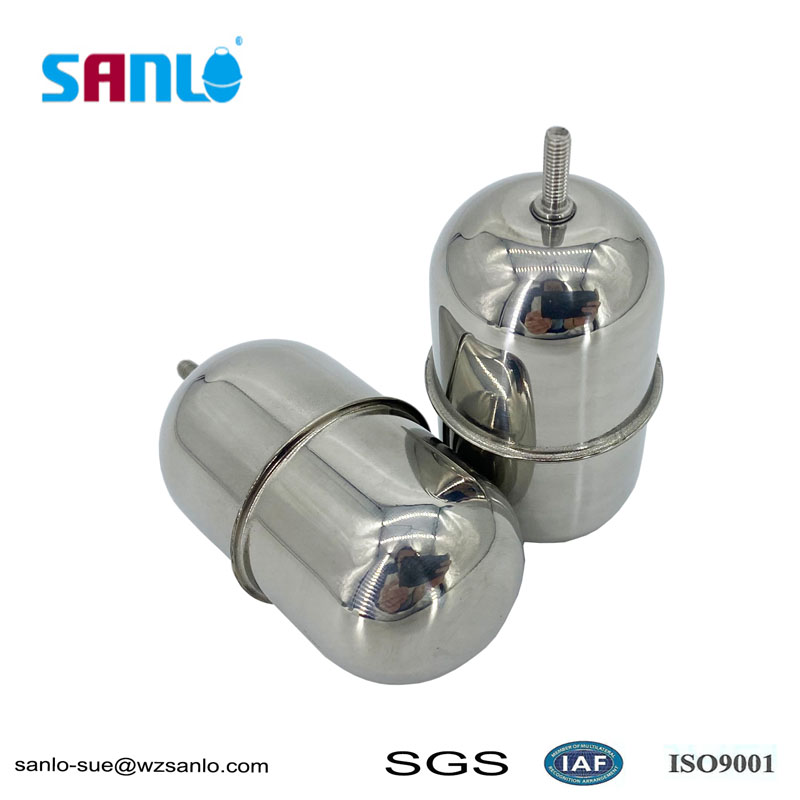
Steel float balls are essential components of check valves, commonly used in fluid control systems to ensure proper flow regulation. By floating on the liquid's surface, they prevent backflow and maintain the integrity of the system. Made from high-quality materials like stainless steel, these float balls offer durability and reliability, crucial in critical applications such as water treatment and oil pipelines.
Steel float balls are spherical objects made from various steel alloys that float on the surface of a fluid within a check valve. They are designed to automatically close a valve when backflow occurs, ensuring that the system only allows forward flow. This feature makes them invaluable in preventing contamination or damage caused by reverse flow.
| Material | Common Applications | Advantages |
|---|---|---|
| Stainless Steel | Water Treatment, Oil & Gas, Chemical Processing | Corrosion-resistant, Long-lasting, High Strength |
| Carbon Steel | Industrial Systems, HVAC | Cost-effective, Strong, Versatile |
Steel float balls are used in a variety of industries and systems where backflow prevention is necessary. Some common applications include:
When selecting a steel float ball for a check valve, several factors need to be considered:
Q: What is the lifespan of a steel float ball?
A: The lifespan of a steel float ball depends on the material used and the environmental conditions. Stainless steel float balls can last for years without significant degradation, especially in water or chemical environments.
Q: How do I know if my check valve needs a steel float ball?
A: If your system requires automatic backflow prevention, a steel float ball is a great option. It is especially useful in systems where reliability and durability are key, such as water treatment and oil pipelines.
Q: Are steel float balls suitable for high-pressure systems?
A: Yes, steel float balls are designed to handle high-pressure environments, especially those made from stainless steel alloys, which are known for their strength and resistance to high pressures.
Steel float balls are a crucial component in check valves, offering numerous benefits such as durability, reliability, and versatility. Whether you're working in water treatment, oil and gas, or chemical processing, selecting the right steel float ball can enhance the efficiency and safety of your system. If you're looking for high-quality steel float balls, consider Sanlo, a leading provider in the industry.
Contact us today to learn more about our steel float balls and how they can benefit your systems. Our expert team at Sanlo is ready to assist you in choosing the best float ball for your needs!