We are glad to share with you about the results of our work, company news,and give you timely developments and personnel appointment and removal conditions.
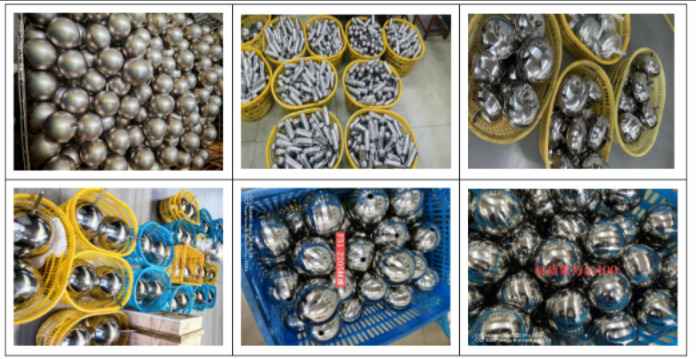
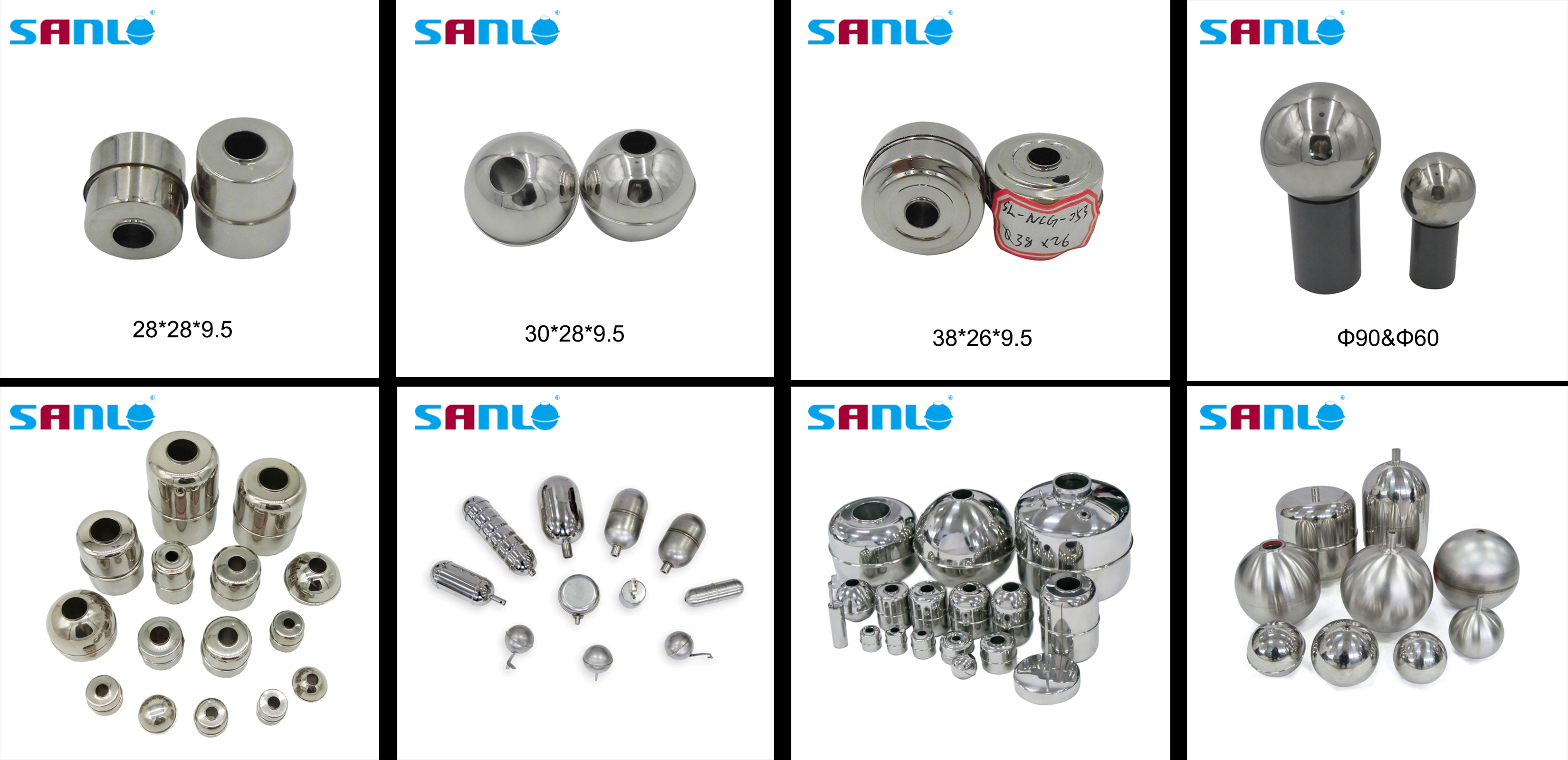
In August, customers of the new company will customize floating balls, including large round balls, long rectangular floating balls, floating balls with nuts, through-hole floating balls, and so on. Welcome customers to customize with samples and pictures.
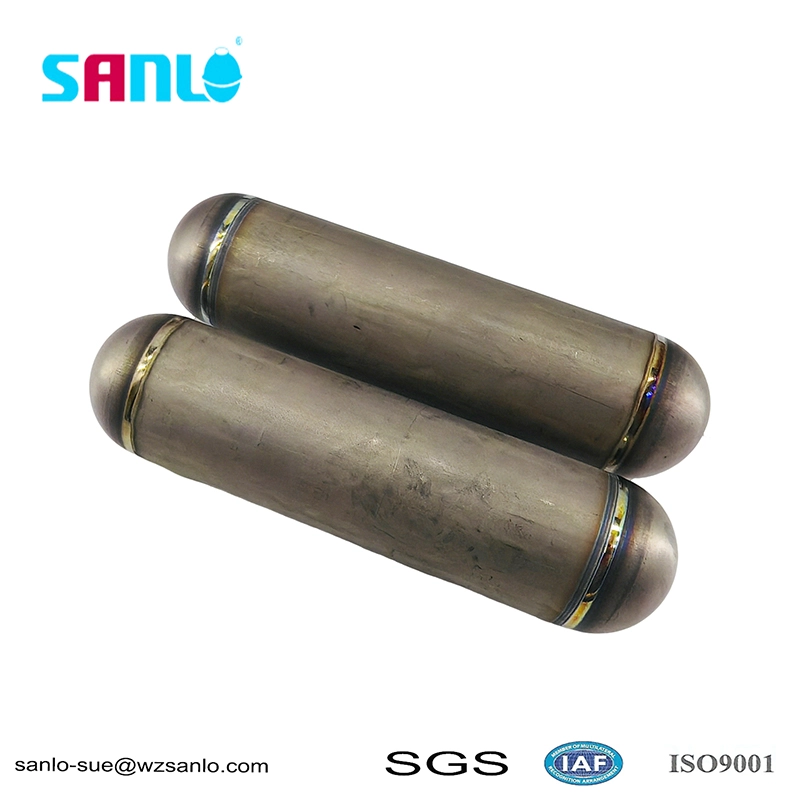
Precision liquid level sensing in high-pressure, corrosive, or high-temperature industrial environments demands components that maintain dimensional stability and consistent buoyancy. This article examines the engineering principles, material advantages, and system integration aspects of a titanium-based float ball designed for magnetic flap level gauges. The discussion covers pressure stability, corrosion resistance, and comparative performance against conventional materials, offering technical insights for engineers and procurement specialists.
We use cookies to offer you a better browsing experience, analyze site traffic and personalize content. By using this site, you agree to our use of cookies. Privacy Policy

 16 2026-09
  19 2026-08
  06 2026-08
  03 2026-06