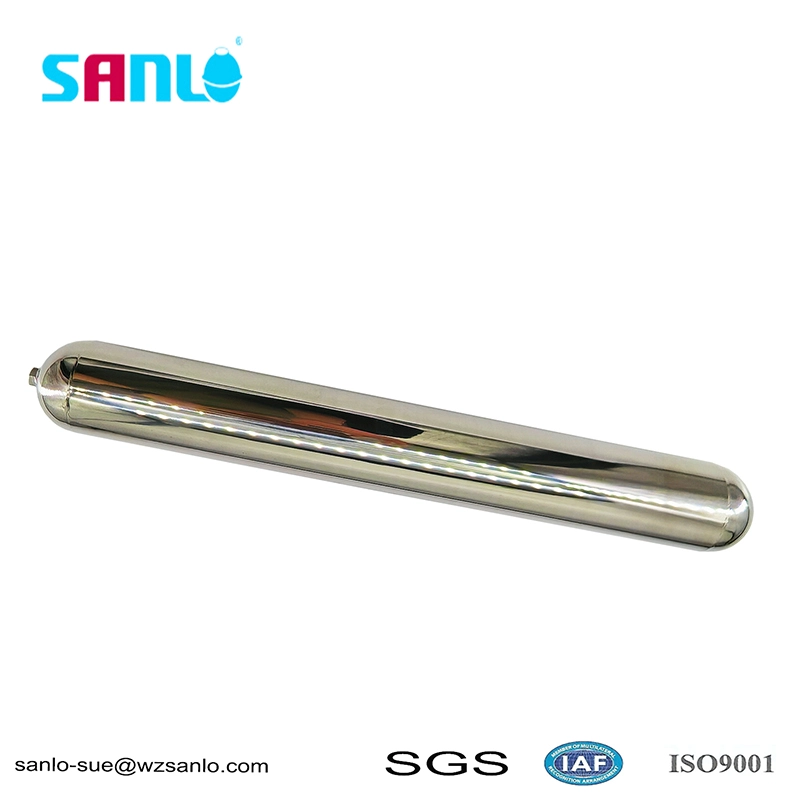
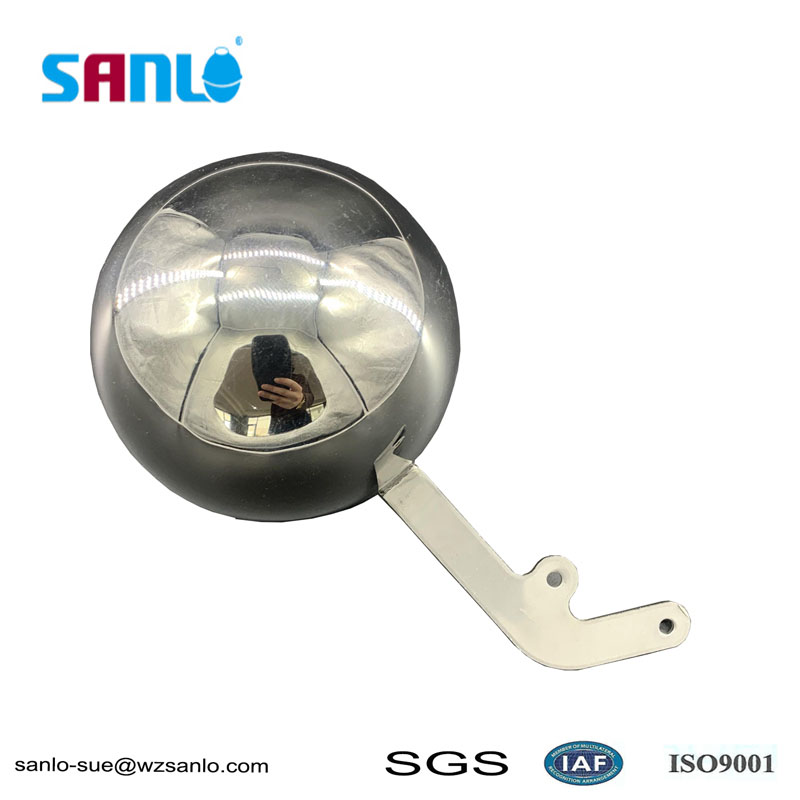
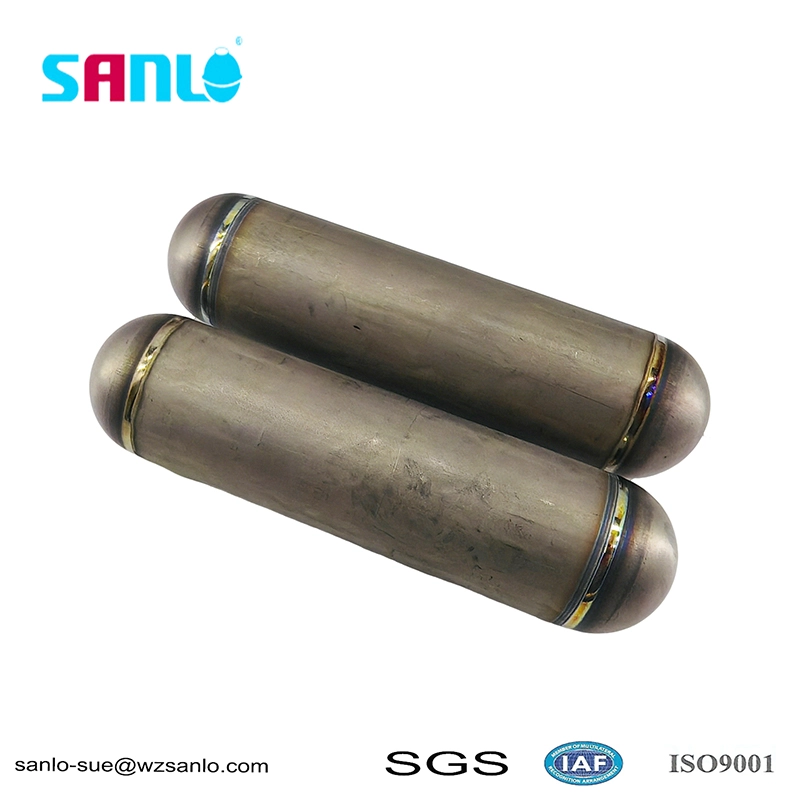
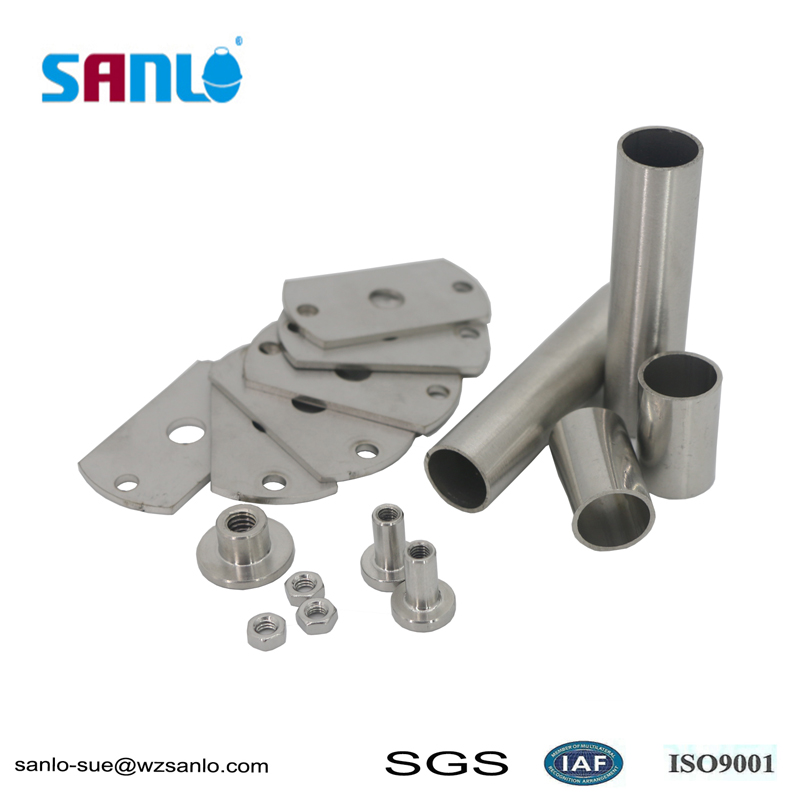
Stainless steel floating ball welding is generally divided into three types: laser welding, argon arc welding, and vacuum welding. For general magnetic steel floating balls such as 24 * 24 * 9.5, 25 * 28 * 9.5, 28 * 28 * 9.5, and other conventional models, laser welding is used to complete the process. Laser welding involves placing two hemispheres on a welding machine equipped with a welding fixture and using laser to weld the two hemispheres into shape. This welding mode is automatic welding, with high fusion depth, firm welding, and fast efficiency. Argon arc welding is a welding mode for large floating balls or floating balls with relatively thick thickness requirements. Generally, manual welding is performed by placing two hemispheres into a fixture and welding them with nitrogen gas. These large balls, ranging from 80/90 to 200, are all welded using argon arc welding. This type of welding can be manually controlled and has good penetration for thicker materials. Vacuum welding is mainly aimed at floating balls with very high technical requirements, such as titanium metal floating balls, floating balls used in aerospace environments, and floating balls that need to be used in vacuum environments. Generally, vacuum welding is required to complete this welding process, which requires floating balls to be lightweight and resistant to ultra-high pressure.
We use cookies to offer you a better browsing experience, analyze site traffic and personalize content. By using this site, you agree to our use of cookies. Privacy Policy