Abstract: The Liquid Float Level Switch plays a crucial role in various industries that require precise monitoring of liquid levels. This blog will provide an in-depth look into its functionality, applications, and how it can enhance the efficiency of industrial systems. We will also cover the advantages of using a Liquid Float Level Switch, and why it’s a preferred solution in industries like water treatment, chemical processing, and more. Read on to learn how this device works and why you should consider integrating it into your operations.
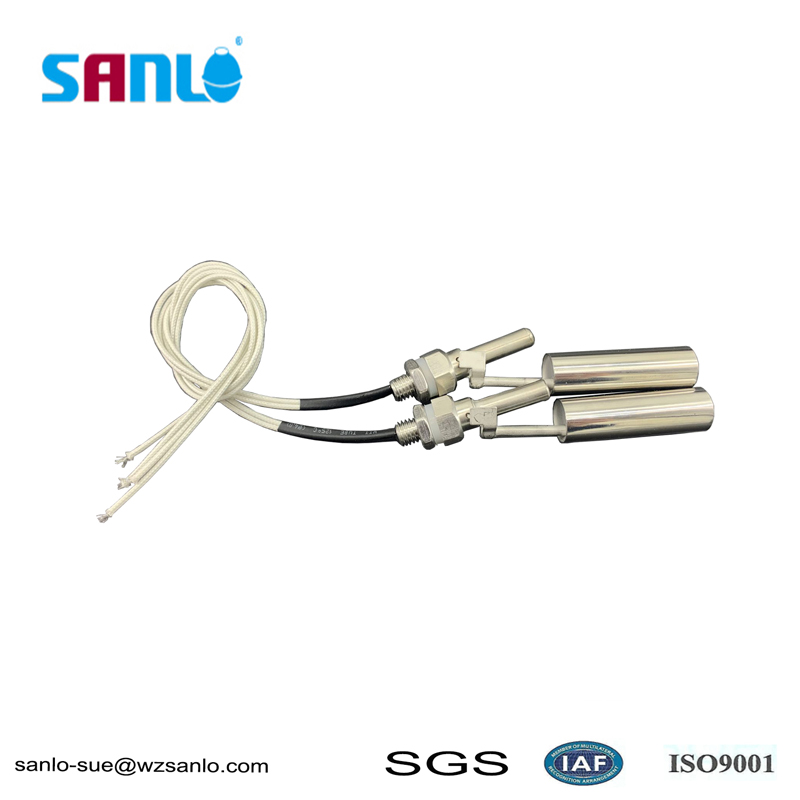
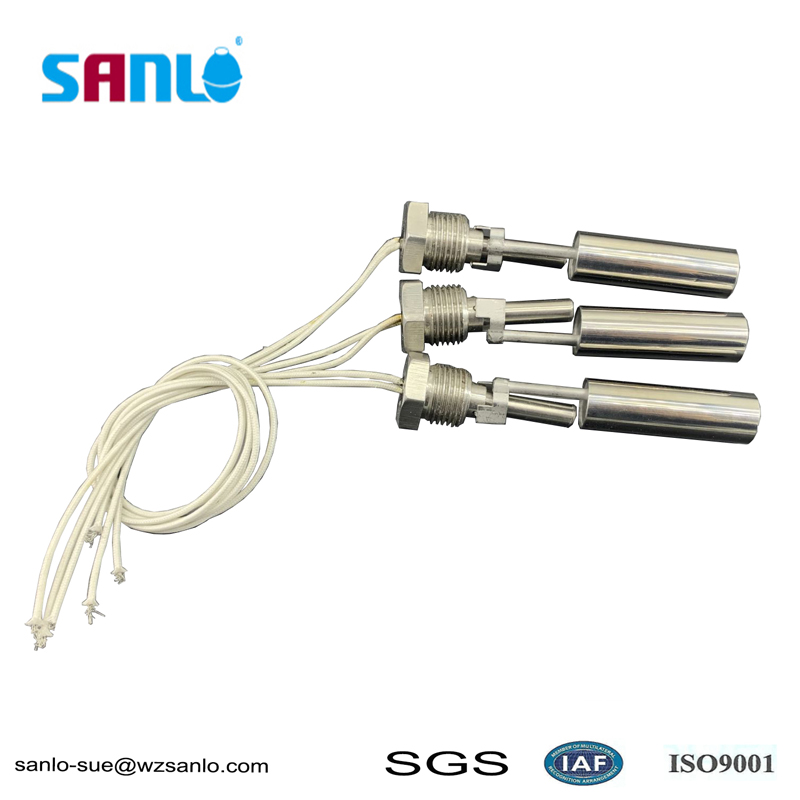
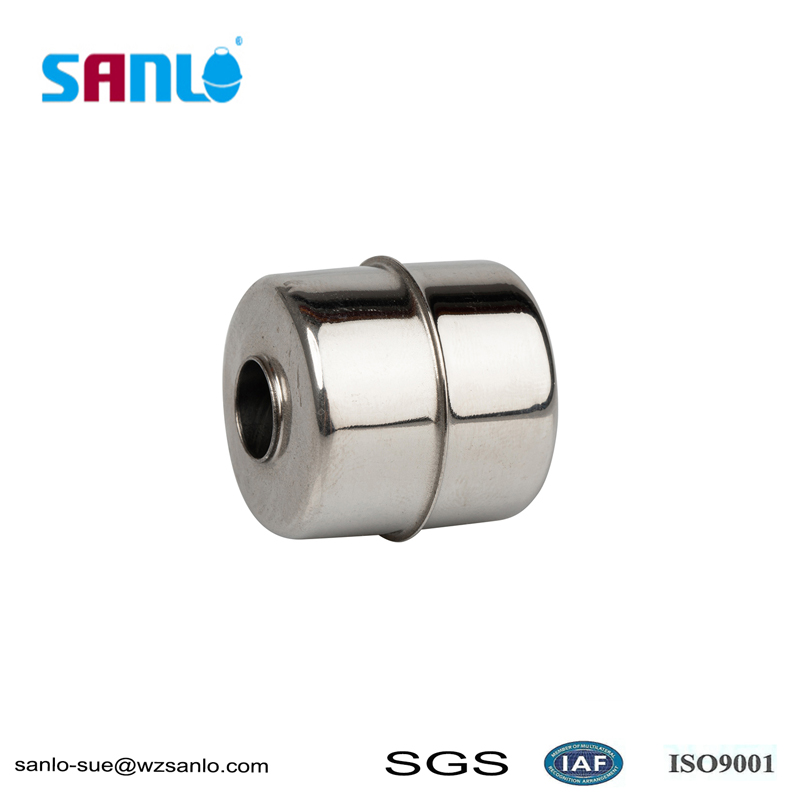
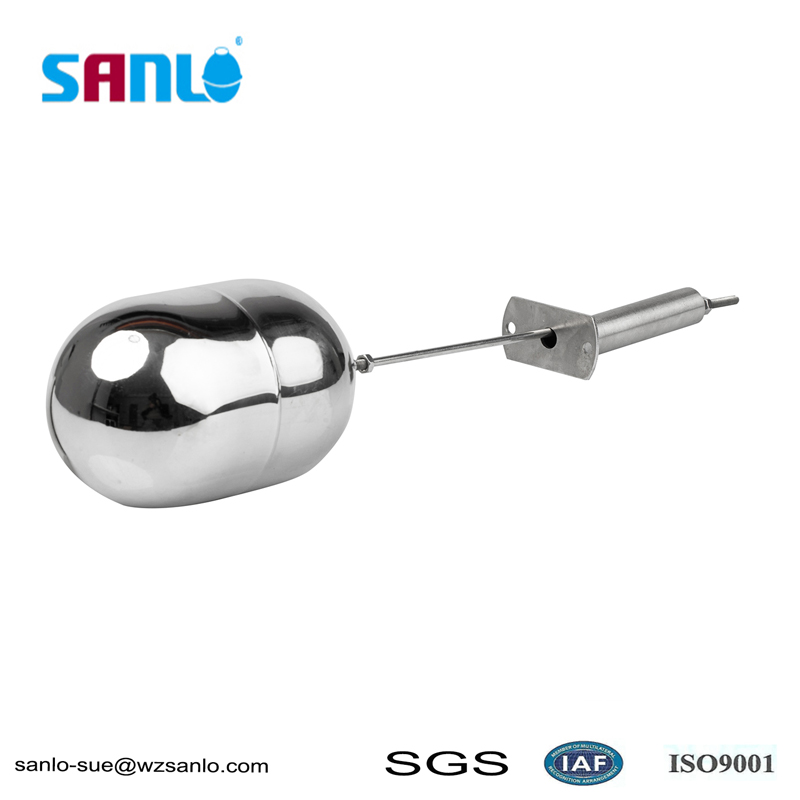
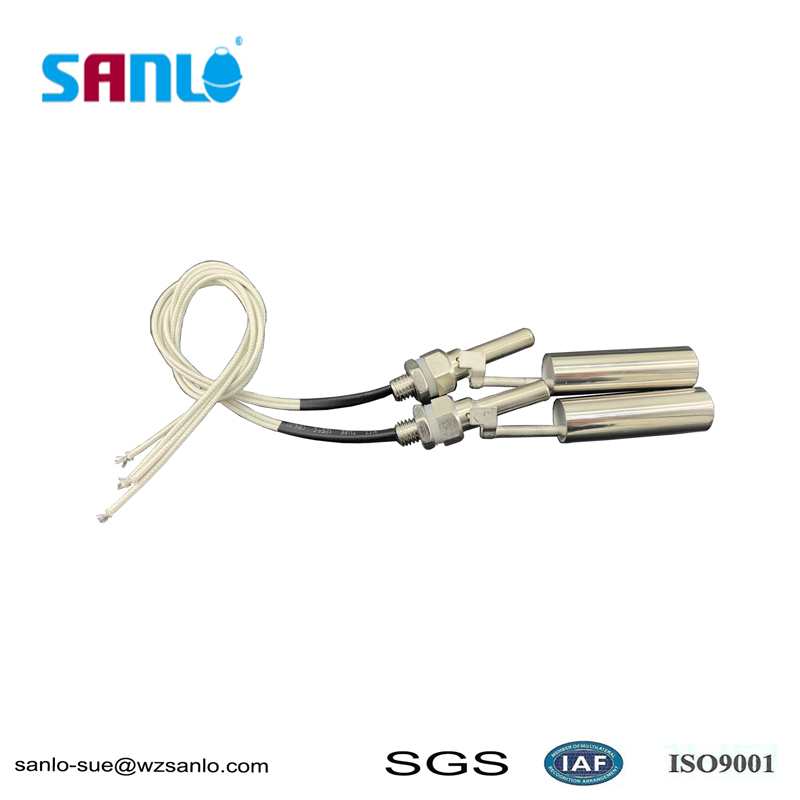
A Liquid Float Level Switch is an essential device used in industrial applications to monitor and control liquid levels in a wide range of tanks, vessels, and reservoirs. By utilizing a float mechanism that rises and falls with the liquid level, this switch triggers an action when a certain level is reached. It's a simple yet highly effective solution for maintaining optimal liquid levels in various processes.
The working principle of a Liquid Float Level Switch is based on the buoyancy of the float. The float is positioned on the liquid's surface, and as the liquid level changes, the float moves up or down accordingly. When the float reaches a predefined level, it activates the switch, which can either trigger an alarm, shut off a pump, or initiate another control action to prevent overflow or dry running of pumps. This process is crucial in maintaining safe and efficient operations in industrial systems.
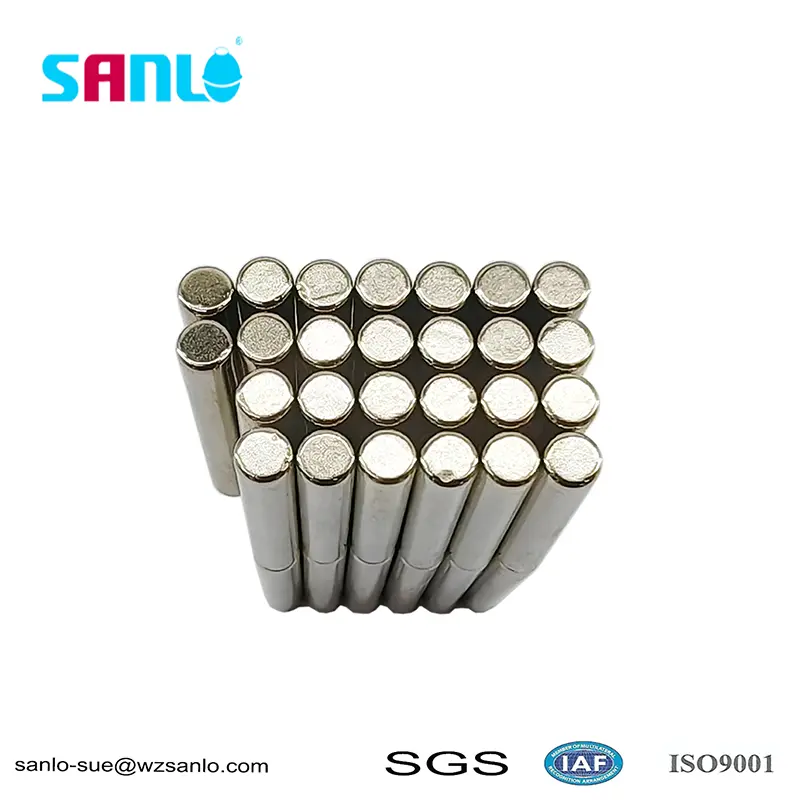
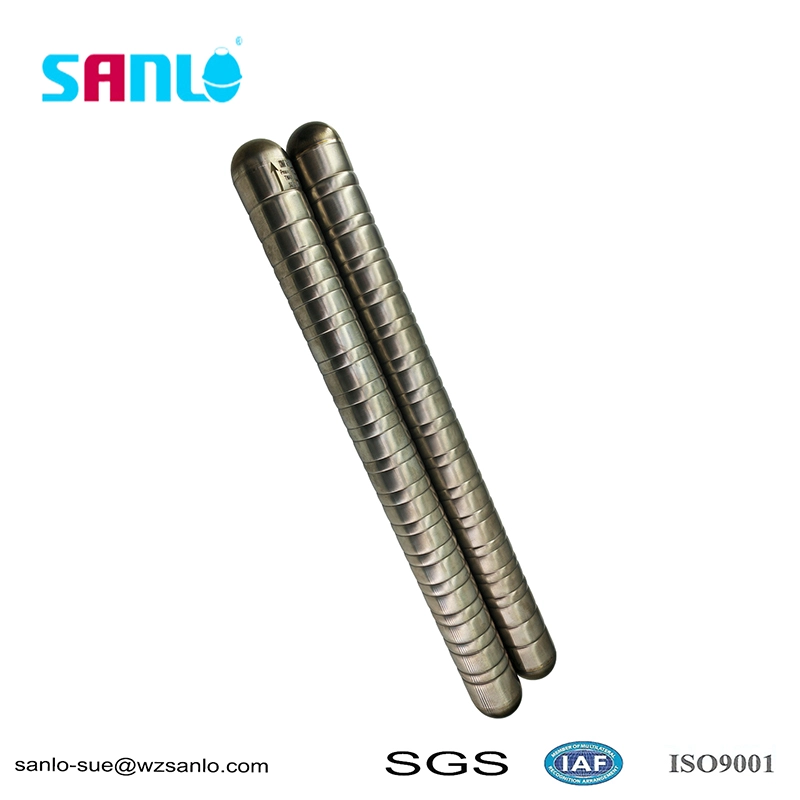
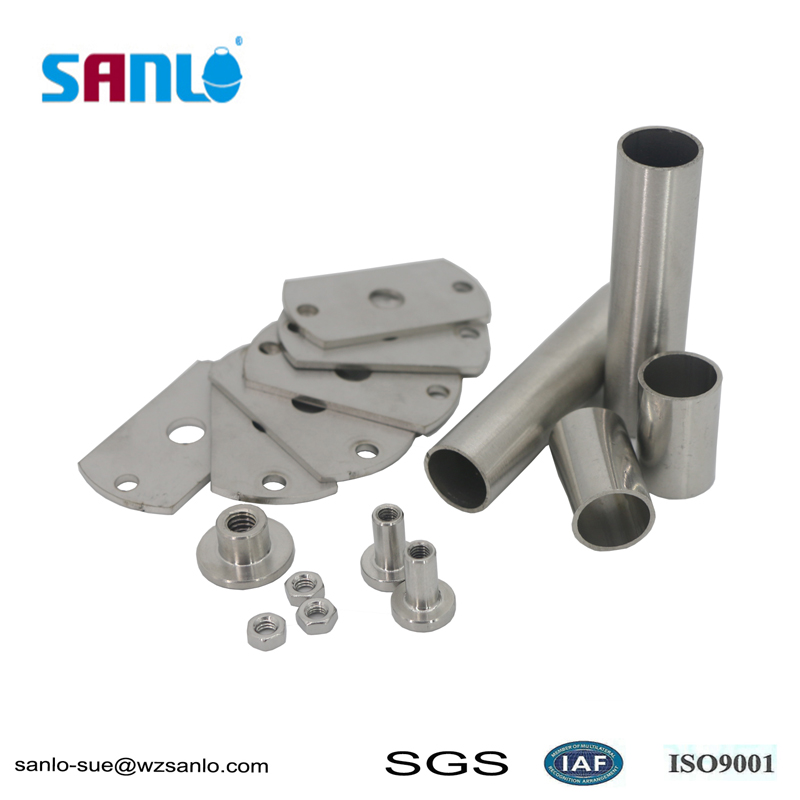
The key components of the Liquid Float Level Switch include:
Liquid Float Level Switches are used in numerous industries due to their simple yet effective functionality. Here are some of the most common applications:
| Industry | Application |
|---|---|
| Water Treatment | Used to monitor and maintain the water level in reservoirs, ensuring consistent flow in filtration systems. |
| Chemical Processing | Helps to regulate the liquid levels in chemical tanks to prevent overflows or underfills. |
| Food & Beverage | Used to maintain the liquid level in fermentation tanks and mixers. |
| Oil & Gas | Critical for monitoring liquid levels in storage tanks and refining processes. |
1. What is the main purpose of a Liquid Float Level Switch?
The main purpose is to monitor and control the liquid level in tanks and other containers, preventing overflow or underfill.
2. Can a Liquid Float Level Switch be used in all types of liquids?
Yes, they are suitable for a wide range of liquids, including water, oils, and chemicals. However, it is important to ensure that the float material is compatible with the specific liquid.
3. How accurate is a Liquid Float Level Switch?
These switches are highly accurate when calibrated correctly, providing reliable liquid level measurements for various industrial processes.
4. What maintenance is required for a Liquid Float Level Switch?
Maintenance is minimal, but periodic cleaning and testing are recommended to ensure long-term reliability. Inspecting the float and switching mechanism for wear and tear is also important.
5. Can I use a Liquid Float Level Switch in extreme temperatures?
Yes, many Liquid Float Level Switches are designed to work in extreme temperatures, but it is crucial to select the correct model based on the temperature range of your application.
If you're looking to optimize your liquid level monitoring system, a Liquid Float Level Switch from Sanlo could be the perfect solution. These devices are easy to install, reliable, and cost-effective for various industries. For more information, contact us today and learn how we can help you improve your operations!