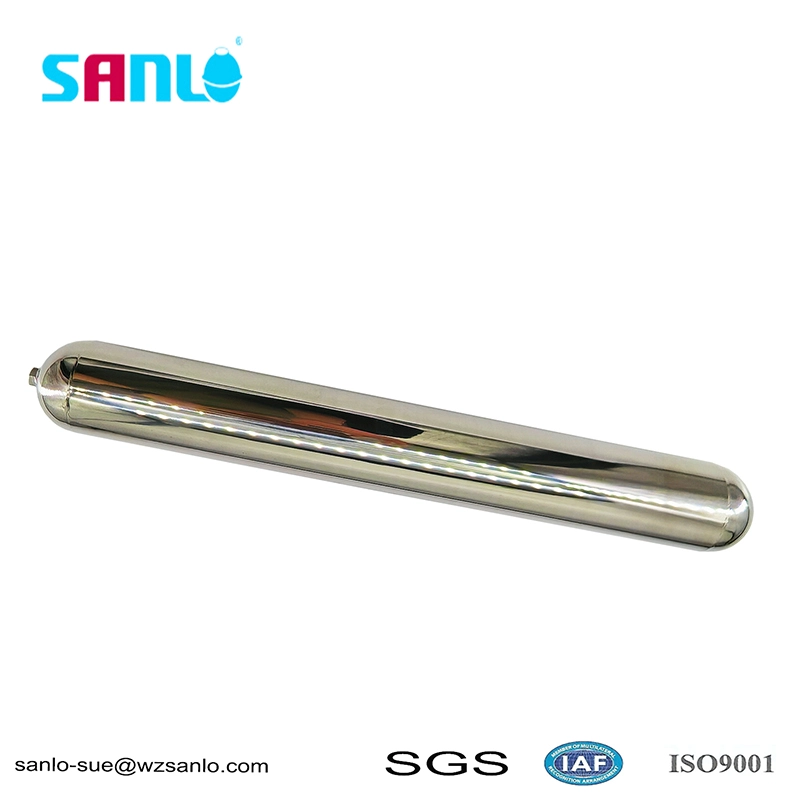
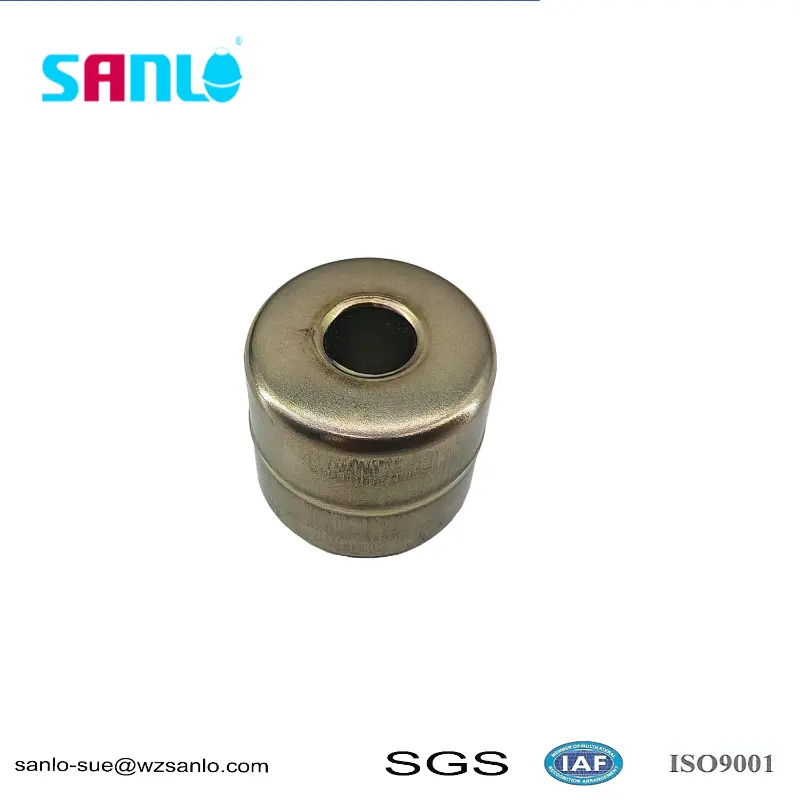
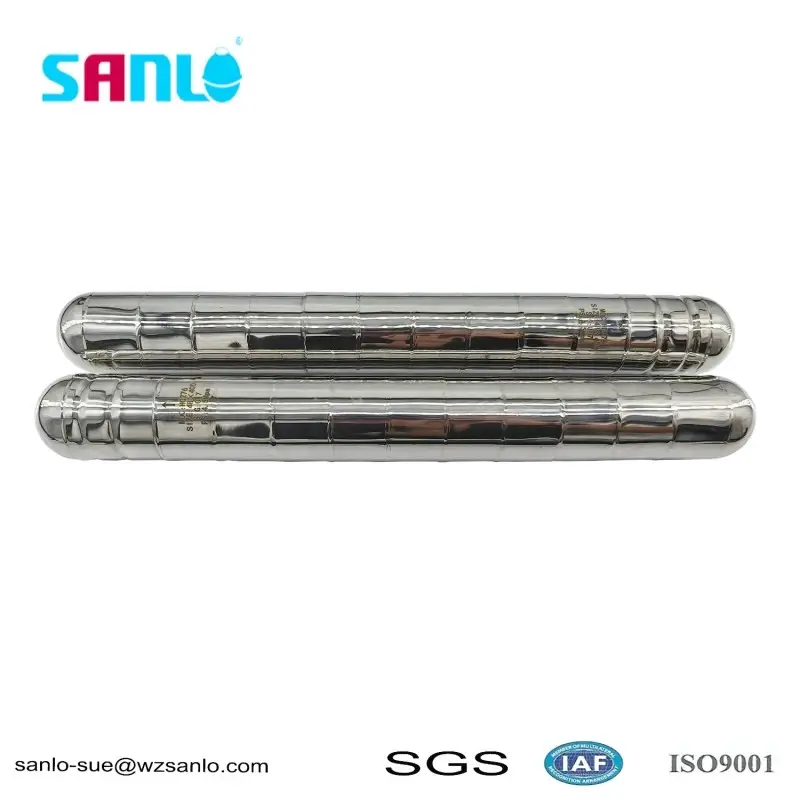
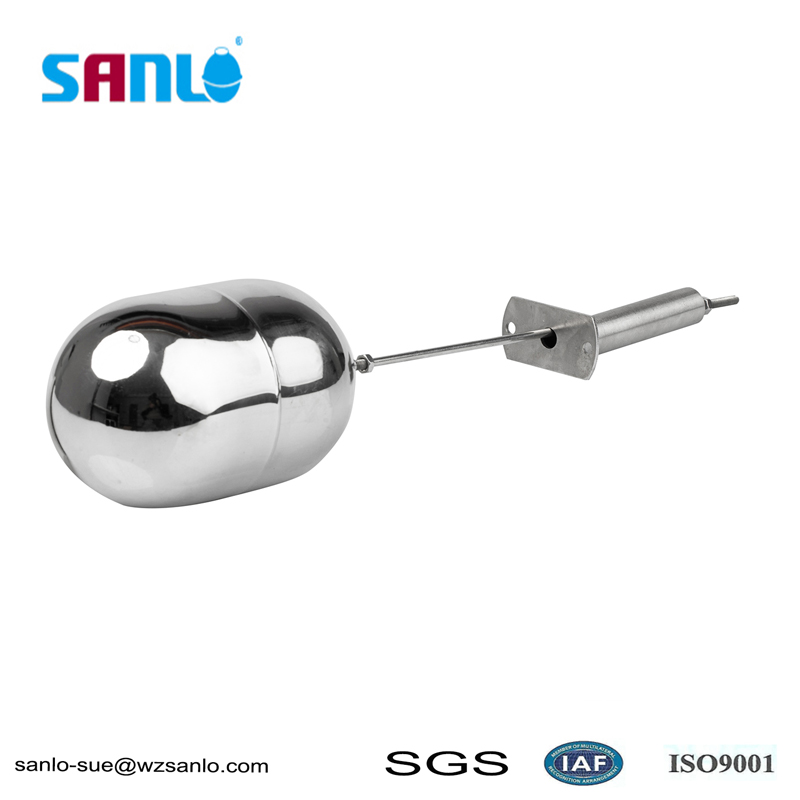
As an engineer with over a decade in fluid control systems, I’ve lost count of the customer calls that start with a frustrated sigh. “The valve stuck open again,” or “It’s leaking and we can’t pinpoint why.” More often than not, the culprit is a humble yet critical component: the Mechanical Valve Float Ball. These balls are the silent workhorses in tanks and reservoirs, but when they fail, operations grind to a halt. That’s precisely why at Sanlo, we’ve dedicated ourselves to re-engineering this essential part from the ground up. Let’s dive into the most frequent headaches and how a superior Mechanical Valve Float Ball can be the solution.
What Are the Top Failure Modes You Should Watch For
The problems often boil down to a few key areas. First, consider material degradation. Many standard float balls simply can’t handle aggressive media—they corrode, crack, or become misshapen. Second, seal failure is rampant. A worn or imperfect seal around the ball’s mechanism leads to persistent drips or major leaks. Third, mechanical sticking or jamming occurs from debris buildup or poor pivot design, causing the valve to stay open or closed. Finally, inaccurate buoyancy is a silent killer. A ball that’s too heavy or too light won’t trigger the valve at the correct level, leading to overflows or run-dry scenarios. Every one of these failures highlights why the choice of your Mechanical Valve Float Ball is non-negotiable for system reliability.
How Does the Sanlo Solution Specifically Address These Issues
We didn’t just make another float ball; we built an answer. Our design philosophy targets the root causes of failure. For us at Sanlo, it’s about precision engineering and material science. This approach ensures our Mechanical Valve Float Ball components deliver unmatched consistency.
What Are the Critical Specifications of a High-Performance Float Ball
The devil is in the details. Here are the non-negotiable parameters we optimize:
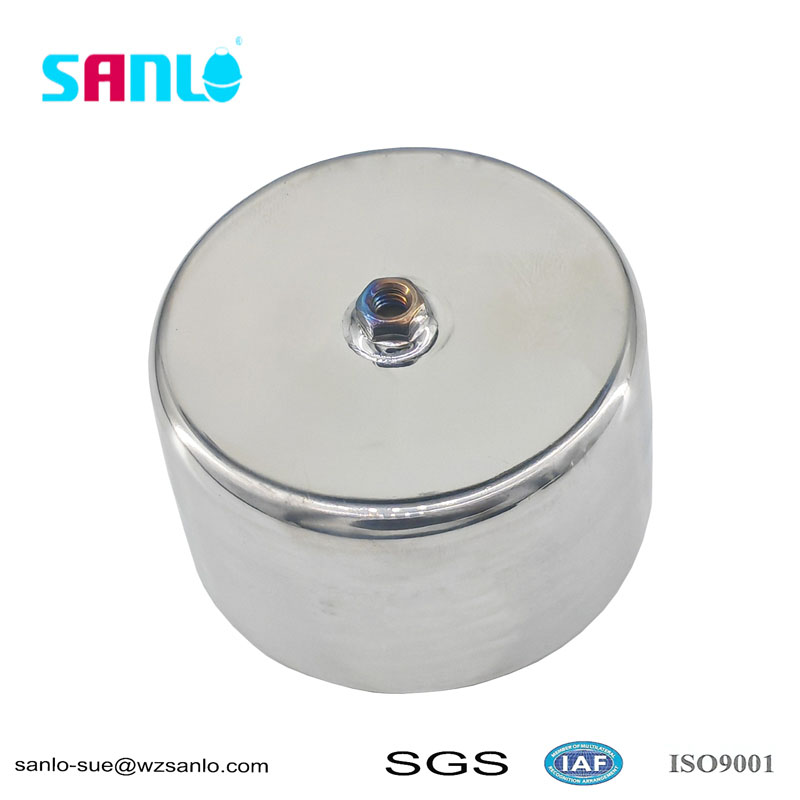
Material Integrity: Engineered polymers and stainless-steel composites resistant to chemicals, UV, and temperature swings.
Buoyancy Precision: Density-controlled to within ±1% for exact activation points.
Surface Finish: Micro-smooth, non-stick surfaces to prevent fouling and sticking.
Mechanical Pivot: Low-friction, self-aligning hinge points to prevent jamming.
Let’s break down a key comparison:
| Feature | Common Generic Float Ball | Sanlo Mechanical Valve Float Ball |
|---|---|---|
| Material Options | Limited, often standard PVC or brass | Wide range (PP, PVDF, 316SS, specialty composites) |
| Buoyancy Tolerance | +/- 5% or higher | Consistent within +/- 1% |
| Seal Interface Design | Standard flat seal | Proprietary radial seal for 360° contact |
| Anti-Jam Design | Basic pivot | Integrated debris shield & low-torque pivot |
This isn’t just a spec sheet; it’s a blueprint for reliability. By controlling every parameter, we ensure each Sanlo Mechanical Valve Float Ball performs predictably under pressure.
Why Should You Reconsider Your Current Float Ball Supplier
If you’re constantly troubleshooting level control issues, the source is likely the core component. A failing Mechanical Valve Float Ball isn’t just a small part replacement—it’s a symptom of a supply chain that values cost over performance. I’ve seen facilities switch to our Sanlo component and immediately report fewer callouts and zero unscheduled downtime. The investment in a precision-engineered part pays back tenfold in operational continuity. It transforms a common failure point into one of your system’s most reliable assets.
Are You Ready to Eliminate Float Ball Problems for Good
The search for a truly reliable Mechanical Valve Float Ball ends here. We at Sanlo have poured our expertise into solving the very problems you face daily. Don’t let another minor component cause a major shutdown. Contact us today with your application details—let our engineering team provide you with a tailored solution that guarantees performance. Visit our website or reach out directly for a consultation and see the Sanlo difference for yourself.